How a standby system works
Three pieces work together. The generator, an engine and alternator in a weather-resistant enclosure, sits on a pad outdoors. A fuel line connects it to the gas meter or a propane tank. An automatic transfer switch at the panel monitors utility power. When the grid fails, the switch signals the generator to start, waits until the power is steady and then moves your circuits over. When utility power returns, it moves them back and the generator cools down and stops.
Between outages, the generator runs a short exercise cycle on a schedule to keep itself ready and logs any problems. Many models report their status to a phone app.
What a complete quote includes
A proper quote covers more than the generator. Look for each of these items:
- Generator model and kilowatt rating, sized from a load calculation
- Transfer switch type and amperage
- Pad or base, including any leveling on a slope
- Fuel connection to gas or propane, with any meter upgrade
- Electrical work from the generator to the switch and panel
- Permits and inspection, filed and scheduled by the installer
- Start-up and walkthrough, plus warranty registration
Sloped lots in the Rivertowns
In Dobbs Ferry, Hastings-on-Hudson, Irvington and Tarrytown, many houses are built into hillsides, with the street on one level and the yard on another. The generator has to sit on level ground with clearance from windows, doors and vents, and within village setback and noise rules. Sometimes that means a built-up base or a longer run back to the panel and meter. Ask the installer to explain why they picked the spot they did and what it adds to the cost.
Older homes and wiring
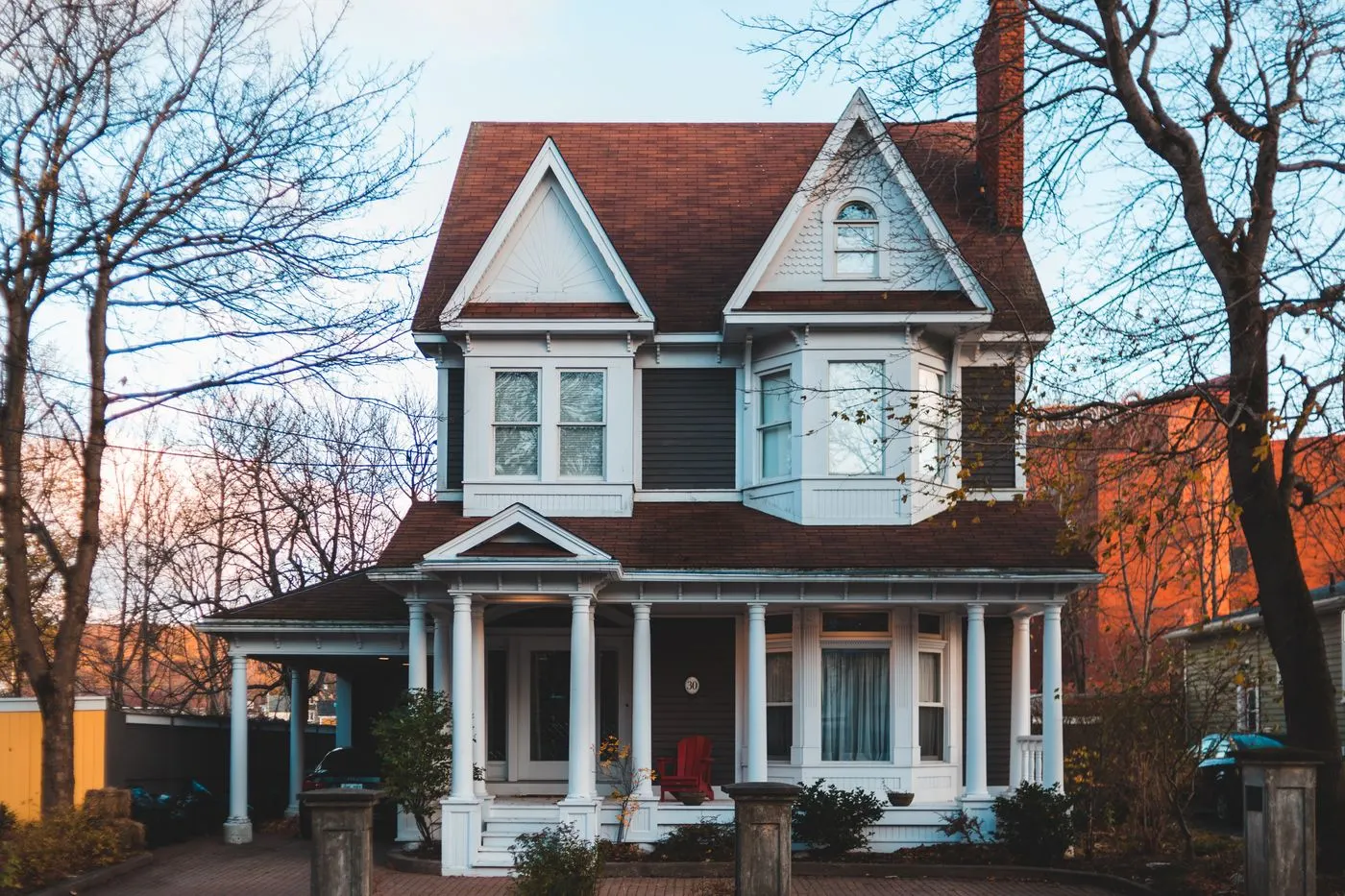
Victorian and early 20th century houses often have electrical systems that were updated piece by piece. The installer will want to see the main panel, the service size and the grounding before committing to a plan. Sometimes the right move is a panel upgrade first. Read our panel upgrade page for more on that.
After installation
Keep the area around the generator clear of plants, mulch, leaves and snow. Keep carbon monoxide alarms working on every level of the house. Watch for warnings on the controller or app and call the installer about any fault. Plan on a service visit about once a year. See generator maintenance for what that visit covers.
Questions people ask before buying
Will it be loud? Most units are noticeable during the weekly exercise but quieter than a portable generator, and placement plus local rules keep the sound reasonable. Will it look out of place? Enclosures are compact and can often be screened with low plantings that still leave the required clearance. What happens if I am away? Nothing changes. The transfer switch and generator handle the outage on their own, and many models send an alert to your phone so you know the house has backup power.
Typical standby generator costs
Published national ranges from HomeGuide.
| Item | Typical range |
|---|---|
| Generator unit, standard setup | $3,000 to $6,000 |
| Installation labor, standard setup | $3,000 to $5,000 |
| Larger systems or long runs, installed | $9,500 to $24,000 |
HomeGuide's figures are national averages, not quotes. Size, fuel, slope, run length and upgrades all affect your price.
Sources: HomeGuide, generator cost guide
Questions homeowners ask
How long does it take to get a standby generator installed?
The on-site work is often a day or two. Equipment orders, permits, any gas meter upgrade and the inspection usually take longer, so ask your installer for a realistic timeline.
Will the weekly test bother the neighbors?
Most units run a short, often quieter test once a week. Your installer can usually set it for a reasonable time of day, and placement should account for local noise rules.
Can a standby generator sit under a deck or porch?
No. It needs open air around it and set distances from openings in the house, because the engine produces exhaust. Follow the manufacturer's clearances and local code.
Do standby generators come with a warranty?
Most do, and terms vary by brand. Ask the installer to register it and explain what keeps it valid, such as regular maintenance.
Other services
Whole-house backup power
Run the whole home through an outage, not just a few circuits.
Generator maintenance
Regular service so the generator is ready when the lights go out.
Generator repair
Diagnosis and repair for faults, failed starts and transfer problems.
Transfer switches
The safe connection between your panel, the grid and a generator.
Electrical panel upgrade
A newer, larger panel for generators, chargers and older homes.
Home EV chargers
Level 2 charging in the garage, on the driveway or by the house.
Where we take standby generators requests
- Standby generators in Dobbs Ferry
- Standby generators in Ardsley
- Standby generators in Irvington
- Standby generators in Hastings-on-Hudson
- Standby generators in Tarrytown
- Standby generators in Sleepy Hollow
- Standby generators in Elmsford
- Standby generators in Hartsdale
- Standby generators in Edgemont
- Standby generators in Scarsdale
- Standby generators in White Plains
- Standby generators in Valhalla
- Standby generators in Hawthorne
- Standby generators in Pleasantville
- Standby generators in Thornwood
- Standby generators in Briarcliff Manor
- Standby generators in Ossining
- Standby generators in North White Plains
- Standby generators in Bronxville
- Standby generators in Tuckahoe
- Standby generators in Eastchester
- Standby generators in Harrison