Level 1 or Level 2
Level 1 means the cord that came with the car and an ordinary 120-volt outlet. It is slow, but enough for short daily trips. Level 2 needs its own 240-volt circuit, the same kind a dryer or electric range uses, and charges several times faster. If the car is your daily driver, Level 2 usually pays off. The car's onboard charger rating caps how fast it can actually take power, so check it first.
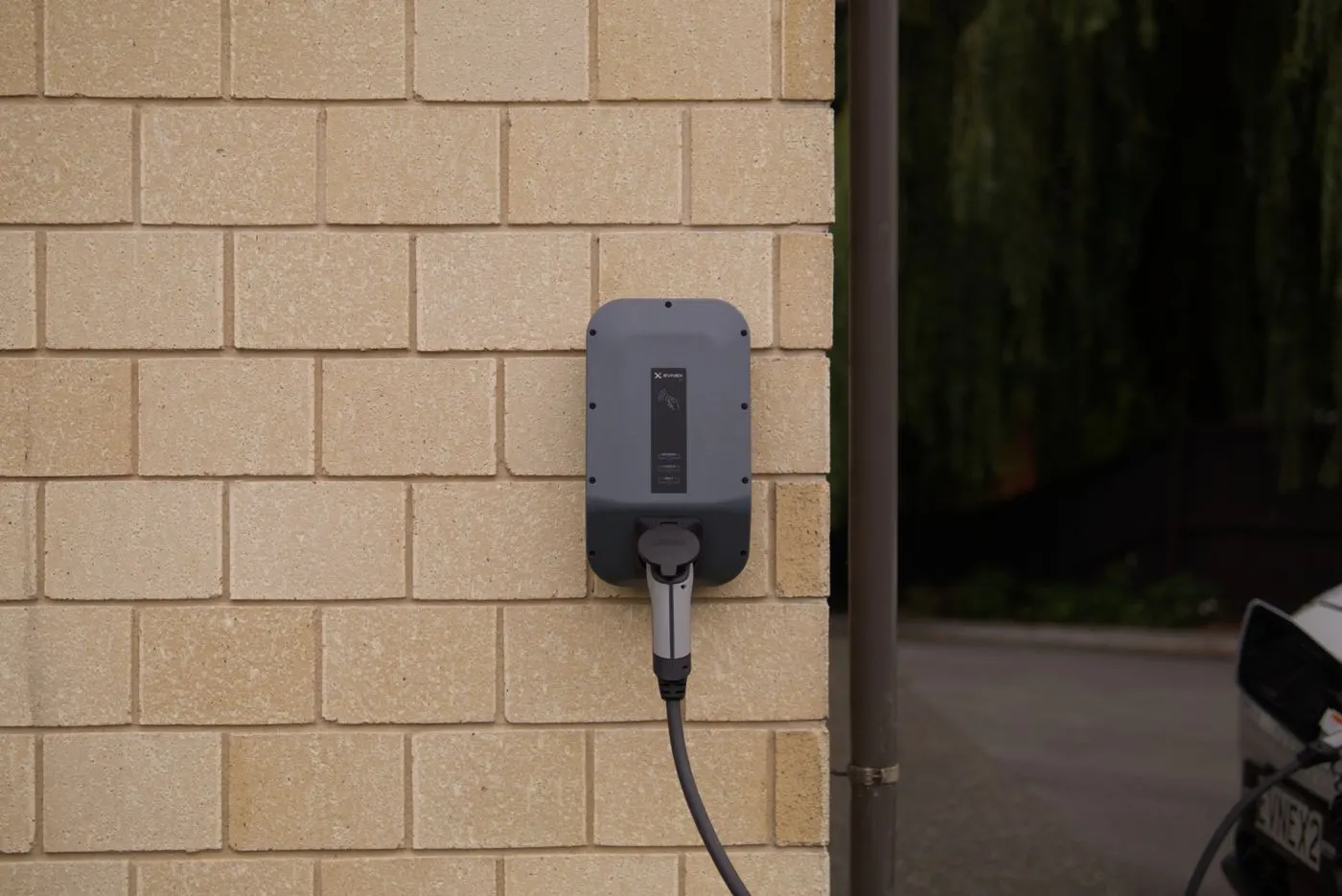
What sets the price
Price mostly follows the wire. A charger on the garage wall a few feet from the panel is the simple case. Put it in a detached garage, at the top of a steep driveway or on the far side of a finished basement and the labor and wire add up. Next comes capacity: if the panel is full or the service small, expect talk of a reduced charging rate, load management or a panel upgrade.
Ask for the route of the wire in writing, especially if it will cross finished rooms.
- Distance and route from the panel
- Hardwired or plug-in charger
- Indoor or outdoor location
- Panel space and service size
- Permit and inspection
Rivertown parking
Rivertown houses often come with a tuck-under garage, a shared drive or nothing but curb parking. The charger has to be on your own property within reach of where the car sits, so measure the cable run and the parking spot before choosing a model. On a steep driveway, plan where the cable will lie so it is not a tripping hazard or under a tire. Outdoor units need an outdoor rating, and renters or condo owners need sign-off from the owner or association.
Chargers and standby generators
Charging a car is one of the biggest loads a house can have. If there is a standby generator in the picture, now or later, tell the electrician. The usual approach is to leave the charger off the generator circuits, or to let load management pause it while the house is on backup power. Running it from the generator is possible but calls for a larger unit and careful setup.
A charger left on the backup circuits without a plan can overload a smaller generator.
Choosing a charger
Chargers differ in maximum current, cable length, scheduling features and whether they hardwire or plug in. Scheduling helps if your utility offers lower overnight rates. Choose the charger together with the electrician, since the breaker, wire size and outlet type must match it, and some rebate programs accept only certain models.
Permits and incentives
Running a 240-volt circuit is licensed electrical work and usually needs a permit and inspection. Rebates and tax credits for home chargers come and go, so check what your utility offers now and ask the electrician before you buy. Hold on to the receipts and permit papers in case a program asks for them.
Typical home EV charger costs
Published national ranges from Fixr.
| Item | Typical range |
|---|---|
| Hardwired charger, installed | $850 to $1,800 |
| Plug-in charger with 240-volt outlet, installed | $1,000 to $2,200 |
| Typical home charging station, installed | $1,000 to $2,500 |
National averages, not quotes. Long runs and panel work raise the total.
Questions homeowners ask
Can I install an EV charger if I only have street parking?
A home charger has to be on your property where the car can park. With only street parking, you may need to rely on public charging or talk to your village about any curbside options.
Is hardwired better than plug-in?
Hardwired units can often deliver more power and avoid wear on an outlet. Plug-in units are easier to replace or take with you. The electrician can help you choose.
Will an EV charger work with my old panel?
Often, with a lower charging rate or load management. If the panel is full or very old, the electrician may recommend an upgrade.
Other services
Standby generators
A permanent generator that switches on by itself in an outage.
Whole-house backup power
Run the whole home through an outage, not just a few circuits.
Generator maintenance
Regular service so the generator is ready when the lights go out.
Generator repair
Diagnosis and repair for faults, failed starts and transfer problems.
Transfer switches
The safe connection between your panel, the grid and a generator.
Electrical panel upgrade
A newer, larger panel for generators, chargers and older homes.
Where we take home ev chargers requests
- Standby generators in Dobbs Ferry
- Standby generators in Ardsley
- Standby generators in Irvington
- Standby generators in Hastings-on-Hudson
- Standby generators in Tarrytown
- Standby generators in Sleepy Hollow
- Standby generators in Elmsford
- Standby generators in Hartsdale
- Standby generators in Edgemont
- Standby generators in Scarsdale
- Standby generators in White Plains
- Standby generators in Valhalla
- Standby generators in Hawthorne
- Standby generators in Pleasantville
- Standby generators in Thornwood
- Standby generators in Briarcliff Manor
- Standby generators in Ossining
- Standby generators in North White Plains
- Standby generators in Bronxville
- Standby generators in Tuckahoe
- Standby generators in Eastchester
- Standby generators in Harrison